My Journey to Becoming a PST
Lessons, Struggles, and Triumphs
Back in 2018, after over 10 years and more than 250 Sprints (I lost count) working in and with Scrum Teams, I decided to attempt the u003ca href=u0022https://www.scrum.org/assessments/professional-scrum-master-iii-certificationu0022u003ePSM III exam u003c/au003e— an assessment widely considered the toughest Scrum certification. This is when I felt my u003cemu003ereal u003c/emu003ejourney with Professional Scrum had only just begun. I started documenting my learning journey in a blog called u0022u003ca href=u0022https://medium.com/serious-scrum/definition-of-scrum-2d1f224256cu0022u003eRoad to PSM IIIu003c/au003eu0022
5 February, 2024
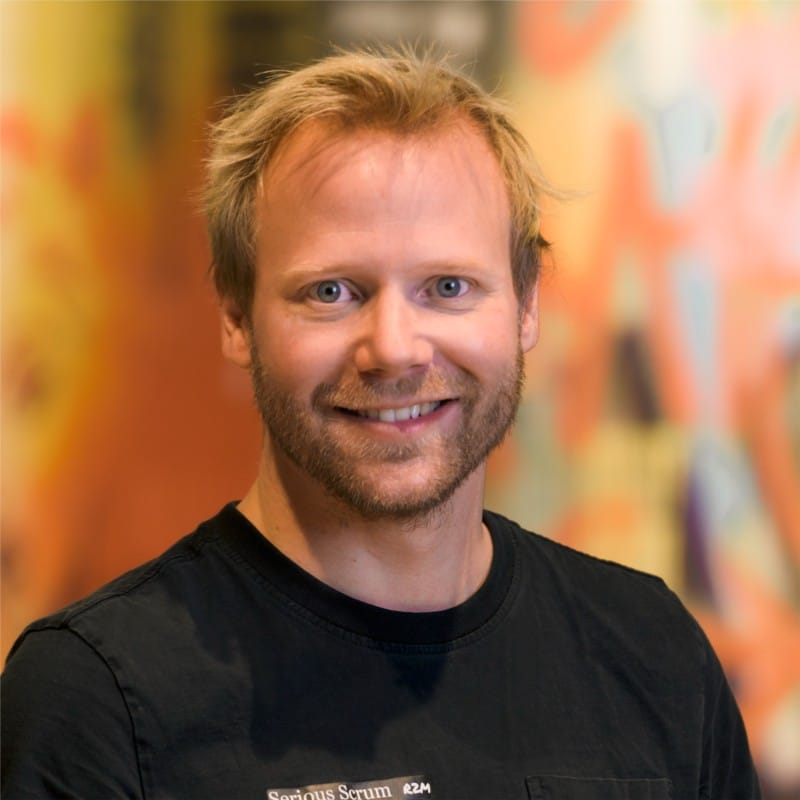
u003ca href=u0022https://academy.xebia.com/nl/trainer/sjoerd-nijland/u0022 data-type=u0022linku0022 data-id=u0022https://academy.xebia.com/nl/trainer/sjoerd-nijland/u0022u003eSjoerd Nijlandu003c/au003e
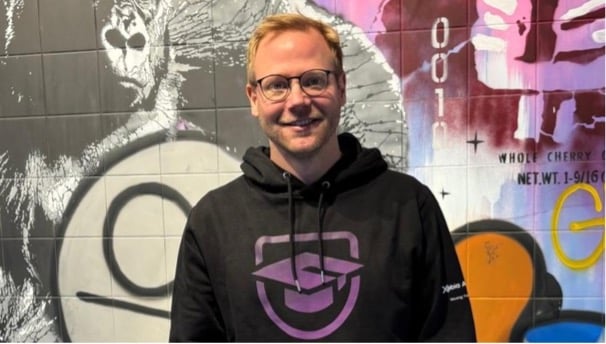
u003ca href=u0022https://www.scrum.org/what-professional-scrum?utm_source=googleu0026amp;utm_medium=adwordsu0026amp;utm_id=psmiiu0026amp;adgroup=%7Bgroupid%7Du0026amp;gad_source=1u0026amp;gclid=Cj0KCQiAs5i8BhDmARIsAGE4xHzZF_uQkjD0NUjLdfJdBhMH9Ou7g89Q7OwdVrHZHazKBUtCLObFkIkaAmlwEALw_wcBu0022 data-type=u0022linku0022 data-id=u0022https://www.scrum.org/what-professional-scrum?utm_source=googleu0026amp;utm_medium=adwordsu0026amp;utm_id=psmiiu0026amp;adgroup=%7Bgroupid%7Du0026amp;gad_source=1u0026amp;gclid=Cj0KCQiAs5i8BhDmARIsAGE4xHzZF_uQkjD0NUjLdfJdBhMH9Ou7g89Q7OwdVrHZHazKBUtCLObFkIkaAmlwEALw_wcBu0022u003eu003cemu003eProfessional Scrumu003c/emu003eu003c/au003e emphasizes value-driven empiricism through evidence-based inspection and adaptation. There is a hunger for ongoing learning and development, with a commitment to high-quality standards and work ethics. It is characterized by true self-management guided by people living the Scrum Values.
I went into the PSM III with the confidence of someone who thought they “knew” Scrum. But passing the exam opened my eyes. I was beginning to realize how much more there was to learn. The experience humbled me.
It wasn’t that my prior work was amateurish — although to be honest, my first days were very much about Story Points, Burndowns, and Velocity. Over time, however, the game changed for me. I had to master the basics with my teams without getting lost in all those shiny (and sometimes misleading) complementary practices.
The u003ca href=u0022https://www.scrum.org/become-professional-scrum-traineru0022u003ePST journeyu003c/au003e is no walk in the park — it can take two years (or more) to complete! From the start, they assessed my motivation and ensured I aligned with Scrum.org’s mission and values. They checked if Empiricism coursed through my veins and if I had the drive to improve myself and the community. We discussed working agreements, and I quickly learned that while there are benefits to being a PST, the costs to get there are steep.
u003cstrongu003eBeyond Certificationu003c/strongu003e
This journey isn’t about certifications (or making money by helping others acquire them). It is about learning to guide others toward more meaningful work. I experienced firsthand how effective training could leave a lifelong impact.
One more thing about certification. Certifications and training hold little value without real practice to back them up. The merit lies in validating that you understand the game and can play it like a pro. Let’s face it — most people only skim the surface, are quick to judge, and blast their blunt opinions overconfidently on LinkedIn (Hello, Dunning-Kruger! – we’ve been there)
Professionalism is not dogma; it’s about establishing a shared language with a commitment to uncover better ways together. Professionalism in Scrum means tackling challenges with skill, creativity, and integrity — not blind obedience, but respect — through diligent practice guided by a shared set of values and principles.
There’s nothing more fulfilling than being part of a team of calm professionals that achieves a self-transcending flow, making the impossible possible. My experience with Scrum has been predominantly empowering and enriching, and I like to work with others who take it seriously.
u003cstrongu003eu003cstrongu003eFacing Insecurity and Failing Fastu003c/strongu003eu003c/strongu003eu003cbru003eu003cbru003eu003cbru003eu003cbru003eu003cbru003eu003cbru003eu003cbru003eu003cbru003eu003cbru003eu003cbru003eu003cbru003eu003cbru003eu003cbru003eu003cbru003eu003cbru003e
u003cstrongu003eHumbling Failures and Valuable Lessonsu003c/strongu003eu003cbru003eu003cbru003e
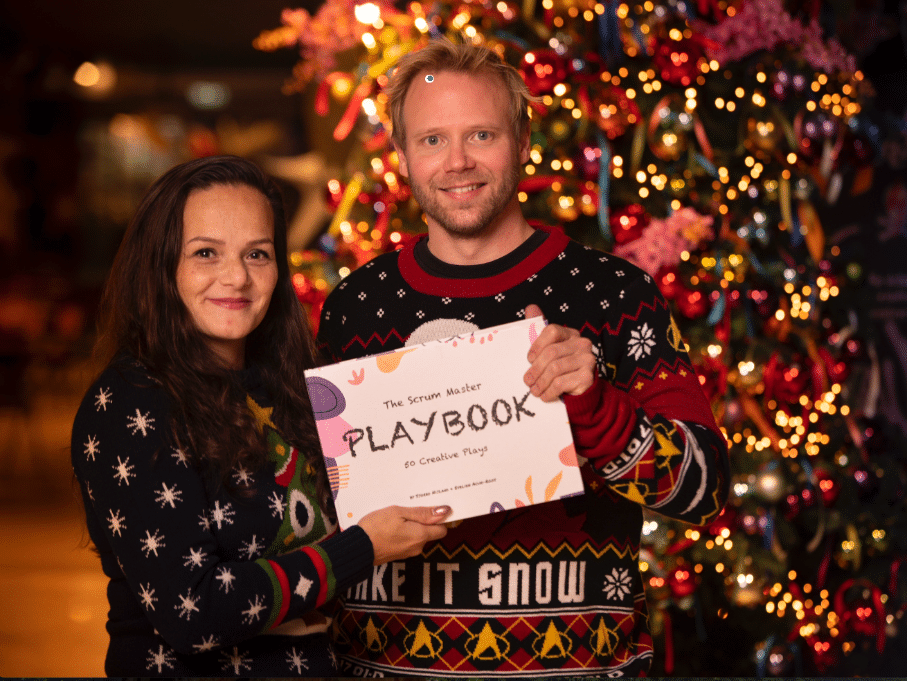
I was initially introduced to the Trainer Candidate Program about 4 years ago. And… I abandoned it shortly after 😳.u003cbru003eSo much for courage and commitment huh! So why?
A mix of imposter syndrome and health struggles left me questioning my capability. I envied prominent trainers like u003ca href=u0022https://www.linkedin.com/in/evelienroos/u0022u003eEvelien Acun-Roosu003c/au003e, u003ca href=u0022https://www.linkedin.com/in/barryovereem/u0022u003eBarry Overeemu003c/au003e, and u003ca href=u0022https://www.linkedin.com/in/christiaanverwijs/u0022u003eChristiaan Verwijsu003c/au003e, who were pioneering training techniques like Liberating Structures and u003ca href=u0022https://academy.xebia.com/nl/training/in-person-tbr-practitioner-class/u0022 data-type=u0022linku0022 data-id=u0022https://academy.xebia.com/nl/training/in-person-tbr-practitioner-class/u0022u003eTBRu003c/au003e (Training from the Back of the Room), and making an impact far beyond my reach. Their innovative approaches showed me how much I still had to grow.
That’s not to say I didn’t have my strengths. I had years of experience and made many contributions to the Scrum community. I’d created foundational Scrum training programs that were hands-on, immersive, and — dare I say — fun! I’d trained teams across industries and universities. I built a community with u003ca href=u0022https://www.seriousscrum.com/u0022u003eSerious Scrumu003c/au003e and launched the “u003ca href=u0022https://www.road2mastery.com/u0022u003eRoad 2 Masteryu003c/au003e,” a learning journey exploring agility through practical, hands-on adventures.
Yet, deep down, I thought of myself as an outsider… “u003cemu003eYou could be doing more. You could be better.”u003c/emu003e It wasn’t self-doubt in the traditional sense but a hunger… a realization that true mastery isn’t about what you’ve done but about the gaps still left to close.
I knew there was more to uncover, more ways to challenge myself, and more impact I could make. The question was: how?
It turns out the answer was simple. u003cemu003e“Just reach out to those who inspire you and if I’m lucky they will mentor/guide me.”u003c/emu003e
Thankfully after reaching out to Evelien she gave her thumbs up and suggested we work together.
Our collaboration started with creating an in-person version of the u003ca href=u0022https://academy.xebia.com/course-event/road-2-mastery-42/u0022 data-type=u0022course-eventu0022 data-id=u002245216u0022u003eRoad 2 Masteryu003c/au003e based on TBR and other neuroscientific principles for effective learning. We also co-authored u003ca href=u0022https://xebia.com/books/scrum-master-playbook-special-edition/u0022u003ethe Scrum Master Playbooku003c/au003e.
With Evelien’s encouragement and support I (finally) reinitiated the PST journey, I quickly realized Scrum.org updated the journey making it even more challenging. There would be many times when my patience and commitment would be tested.
The first step was validating my knowledge and practical experience through essays and peer reviews. I assumed my Scrum experience would make this easy. It didn’t. 😶🌫️
My first two testimonial essays didn’t pass ❌, and I felt devastated. But the feedback I received, though hard to swallow, became the catalyst for deeper reflection and improvement.
Even though I had already passed PSM III, I was instructed to re-take it as a requirement for the PST journey. I didn’t look forward to doing it again, because word had it, it would be much harder this time. And the little confidence that remained crumbled when the results were in. ❌
Failing PSM III again during this process was another tough blow. Formulating concise yet complete answers proved far harder than expected. I had to retrain myself, practicing with study groups and even using tools like ChatGPT to coach me in refining my responses to be clear and concise.
These moments of failure made me humbler, more open to feedback, and, ultimately, a better trainer (if not a better human being). It was also fun to connect back with my study groups again.
After a few well-needed hugs and pats on the back, I re-engaged and passed!🎉
u003cstrongu003eu003cstrongu003eu003cstrongu003eThe Peer Review Challengesu003c/strongu003eu003c/strongu003eu003c/strongu003e
u003cbru003eu003cbru003eu003cbru003eu003cbru003eu003cbru003eu003cbru003eu003cbru003eu003cbru003eu003cbru003eu003cbru003eu003cbru003eu003cbru003eu003cbru003eu003cbru003eu003cbru003eu003cbru003eu003cbru003eu003cbru003eu003cstrongu003eu003cstrongu003eu003cstrongu003eu003cstrongu003eThe Final Frontier: The Candidate Trainer Experience (CTE)u003c/strongu003eu003c/strongu003eu003c/strongu003eu003c/strongu003e
Passing the initial gate, I entered the first Peer Reviews. The first one being the “Experience Review”. My peers were excited about my experience with Scrum and there were no major concerns.
The peer review evaluates how I have been an effective change agent, fostered experimentation, delivered value through Scrum, adapted strategies to diverse contexts, and applied lessons learned from challenging situations.
Next, I prepped for the “Training Skills Review”. Submitting training videos for peer review brought its unique challenges.
The virtual in-person Training Skills Peer Review was the next hurdle. Here, experienced trainers tested my ability to handle tough questions, misconceptions, and struggling students.
I showcased how I use quality materials that support learning objectives while avoiding cognitive overload. I kept my peers (who roleplayed as students) engaged through dynamic teaching and Qu0026amp;A, managing real-time interactions to address questions and tangents without losing focus on key learning outcomes. I focussed on creating a safe, inclusive environment where everyone feels encouraged to participate. I ensure discussions stay bottom-lined, highlighting the most important takeaways. I communicated clearly, using tone, pacing, and pauses to maintain engagement and validate if the content was absorbed. I actively listened to uncover underlying issues and assumptions behind questions, sharing concise, relevant stories that bring theoretical concepts to life. With empathy and clarity. It was not enough.
Despite all that, I over-prepared. My peers gave me tough but invaluable feedback. My stance was that of a facilitator and coach, but not as an instructor.
My initial attempts lacked conciseness, and I struggled with timeboxing. My over-preparedness became a double-edged sword — I tried to cram too much into my responses, often missing opportunities to connect personal stories or simplify concepts. I missed opportunities to correct misunderstandings. I went too deep into some rabbit holes.
It was only after practicing with peers and strictly timeboxing “lightning rounds” that I found my rhythm. Slowly but surely, I improved.
Failing the review initially was disheartening, but it gave me time to reflect and grow.
Although aside from Evelien many PSTs have supported me during the Peer Review process, a special shout-out goes to u003ca href=u0022https://www.linkedin.com/in/michelvandermeulen/u0022u003eMichel van der Meulenu003c/au003e and u003ca href=u0022https://www.linkedin.com/in/ziryansalayi/overlay/about-this-profile/u0022u003eZiryan Salayiu003c/au003e.
Feedback, support from mentors, and sheer persistence kept me going until, at last, I passed another gate.
After 2 years in the program, I reached the CTE — the ultimate test. The CTE was both nerve-wracking and exhilarating. Collaborating with other candidates u003ca href=u0022https://www.linkedin.com/in/florinmanolescu/u0022u003eFlorin Manolescuu003c/au003e and u003ca href=u0022https://www.linkedin.com/in/waterscrumban/u0022u003eJon Jorgensenu003c/au003e made the experience richer. We roleplayed scenarios, tackled challenging questions, and received real-time feedback. What stood out most was the safe, supportive space created by the Scrum.org facilitators. Despite the intensity, it felt like a playground for growth. A heartfelt thank you goes out to u003ca href=u0022https://www.linkedin.com/in/stephanieockerman/u0022u003eStephanie Ockermanu003c/au003e and u003ca href=u0022https://www.linkedin.com/in/pawelmysliwiec/u0022u003ePawel Mysliwiecu003c/au003e for guiding us through that self-transcending experience.
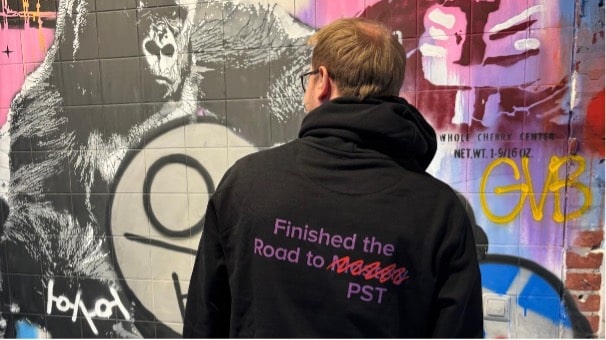
Passing the CTW wasn’t the end. A final assignment gave me one last opportunity to showcase my ability to learn and adapt. When I officially received my PST status just before Christmas, it felt like the perfect culmination of a transformative journey.
Through this journey, I was supported by u003ca href=u0022https://www.linkedin.com/in/daphne-harris-6828741/u0022u003eDaphne Harrisu003c/au003e the director of the training program, and u003ca href=u0022https://www.linkedin.com/in/tiffanienewtonmba/u0022u003eTiffanie Newtonu003c/au003e who were very kind, empathic, and supportive.
u003cstrongu003eKey Takeawaysu003c/strongu003eu003cbru003e
Here are some of the most profound lessons I’ve learned:
01
u003cstrongu003eAuthenticity in Storytelling: u003c/strongu003eu003cbru003eRelatable, clear narratives build trust and make learning memorable. Initially, my stories lacked focus. Over time, I learned to craft them with a clear arc, tying them to Professional Scrum principles.
02
u003cstrongu003eThe Power of Feedback: u003c/strongu003eu003cbru003eWhether it’s a rejected essay or a failed exam, constructive feedback is gold. The PST journey tested my resolve repeatedly. Each setback was an opportunity to grow — professionally and personally.
03
u003cstrongu003eHumility and Lifelong Learning: u003c/strongu003eu003cbru003eThe more I learned, the more I realized how much I didn’t know. Mastery is a journey, not a destination.
04
u003cstrongu003eBe an Instructor. u003c/strongu003eu003cbru003eI learned to avoid the pitfall of falling/reverting into the coaching stance, being u003cemu003eoverly u003c/emu003eempathic and curious to the learners personal context — and instead be clear and concise without losing focus on the core principles of Professional Scrum. While empathy is valuable, I realized that over-accommodating learners’ personal contexts can dilute the clarity of key messages, and send the class down a path that is not relevant to all participants.
05
u003cstrongu003eDare to Challenge Students: u003c/strongu003eu003cbru003eEmbracing the courage to respectfully challenge (and sometimes shock) learners to challenge limiting beliefs and the status quo is pivotal in fostering meaningful change in the classroom.
u003cstrongu003eTo Aspiring Scrum Masters and Trainersu003c/strongu003e
It’s one thing to want to u003cemu003ebe u003c/emu003ea PST. It’s another to want to u003cemu003ebecome u003c/emu003eit. To anyone considering this path: embrace the failures, seek out mentors, and keep trying. The PST journey isn’t a walk in the park. It’s long, frustrating, repetitive, and humbling. But it’s also one of the most rewarding experiences I’ve had. If you’re serious about mastering Scrum training and helping others do the same, take it one step at a time.
Have you considered u003ca href=u0022https://academy.xebia.com/nl/training/professional-scrum-master-1-psm-1/u0022u003ejoining a PSM classroom trainingu003c/au003e? Even if you already hold a PSM certificate but haven’t attended a class, this training is packed with hands-on techniques and practical insights that go far beyond the basics. There is a lot you can learn from the trainers. And, like myself, always happy to support you in your journey.
Recommended courses
View all trainings
Agile has given teams a durable way to deliver value: short feedback loops, clear roles, and a shared rhythm around discovery, delivery, and inspection. That foundation isn’t going anywhere, but the toolbox around it is changing quickly. AI agents can now take part in refinement, prioritization, forecasting, development, testing, and retrospection, and Agile leaders need a clear picture of what that means for their practice.
Master Agile leadership and boost your Scrum Team’s and organization’s performance with our PAL-E training.
Learn all the skills you need to become a Professional Scrum Master. Get your Scrum.org PSM 1 certificate now!
Maximize performance and productivity with Professional Scrum with Kanban (PSK) training. Improve flow for Scrum Teams.
Not sure what course you need?
Let us know what you’re looking for. We’ll help you find the course that fits your needs!
Looking for custom solutions for your organization or team?
We’ll gladly help you explore the enterprise options.u003cbru003e